


Reform or revolution?
It appears we are getting closer to the point in history where we, the American public, will be forced to make a choice between the two. Let’s take a moment to reflect on what makes reform and revolution different.
For me, the hardest thing about attaining class consciousness was giving up on elections.
It has taken me about 47 years to get here.

I started writing a book over a decade ago envisioning a third party takeover of the American political system. Back then I could see how bad everyone was getting screwed and I knew that at some point, normal everyday Americans would reach their breaking point and reject the two party system, en masse. And to me, partly because my dad had been singing this tune my whole life, I thought… third party!
But there is a drawback that I did not adequately recognized when formulating my original plan to fix this country’s problems. Reform is not revolution.
And this is what it took me almost 47 years to learn: Using elections will never get the change we need because the entire game is rigged.
The democratic change we need right now can’t happen through the existing constitutional system because this system was designed to prevent that.
The framers were terrified of actual democracy. That’s why they built the well-known system of “checks and balances.” The American constitutional system is designed to check the will of the public with the Senate, the courts, and the president all able to veto the will of people. The House of Representatives is supposed to reflect the public will but they are mostly sold to the highest bidder.
If reform were your goal you could form a party and win huge influence in the House of Representatives, who knows, maybe even win a majority in the House. But the Senate would take a long time to break into, by design. The Senate would also say no to anything that threatens the existing power arrangement. The president would veto anything that threatens the existing power arrangement. The courts, Supreme Court especially, would strike down any laws that got passed if they threatened the existing power arrangement.
In the period this was happening, the owning class would have a chance to organize a counterattack. The American constitutional system is designed to check the power of the public. No matter how organized we get, no matter how many elections are won, the system is designed to withstand those challenges. The American constitutional system is designed to slow down public challenges to its power and stop them.
Reform works within a system designed to benefit the owning class. Any reforms made within that system accepts, from the outset, that ownership rights and class structure will not be challenged.
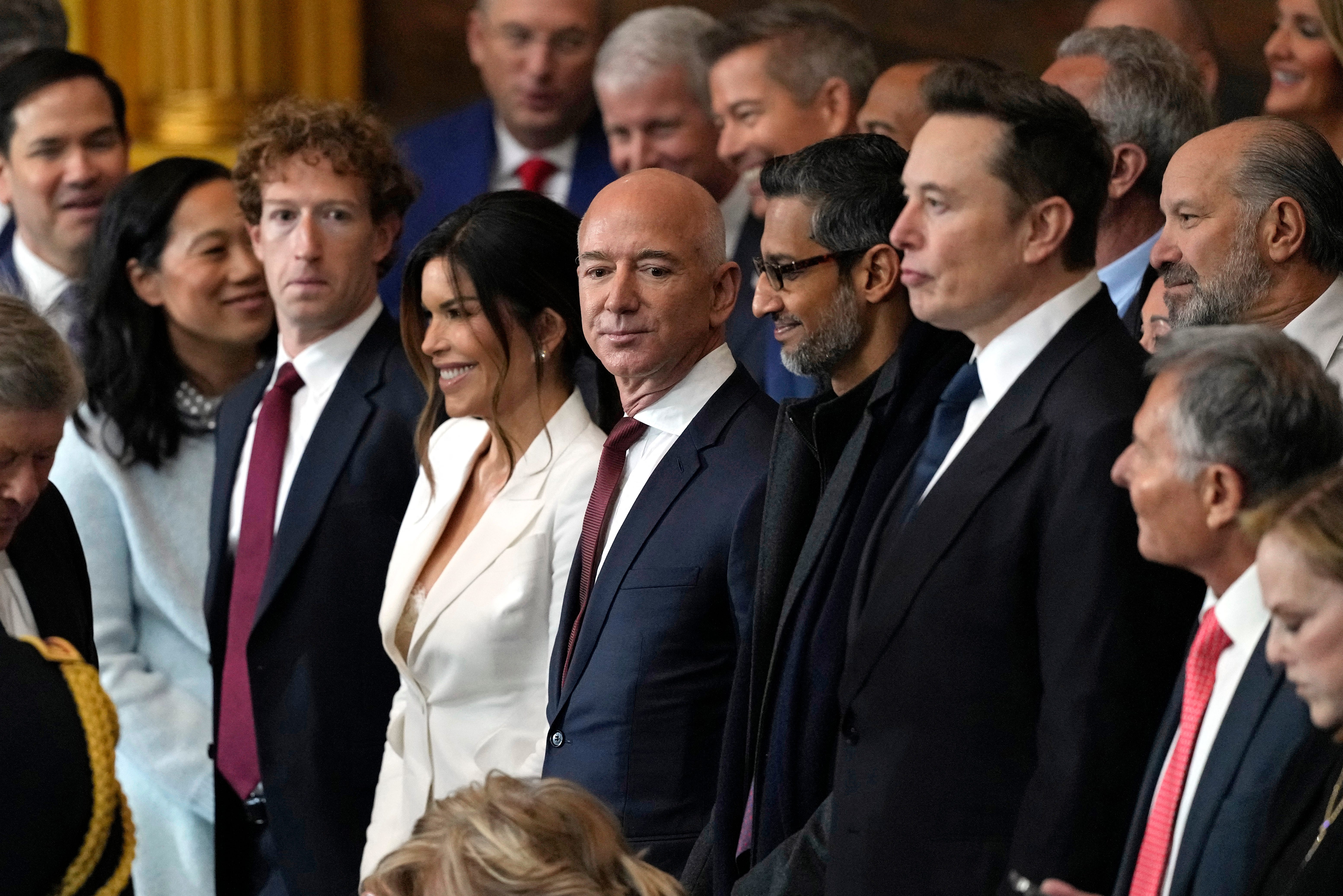
Reform is compromise with the ruling class. Any democratic reforms you win are a concession from those who currently hold power.
The most important difference between reform and revolution is who holds power. Reform preserves the power structure. It leaves the Epstein class in charge. Reform is hierarchical by nature. The essence of reform is that the rich preserve their ownership of the nation’s productive capacity.
Revolution flips that script. Revolution is imagined here as the fight to win a new constitution that empowers the people. In revolution the people are in charge. Any concessions come from the people, not the rich.
In revolution the existing hierarchy is challenged. Revolution requires dismantling the existing class structure. Revolution is a moment when new hierarchies are made and old hierarchies are discarded. Or perhaps we dispense with hierarchy entirely and choose equality.
And this is the thing that is very hard for people to understand: Revolutions actually empower the mass of the people. Revolutions happen and after that, material conditions drastically improve for the public, the mass of the people. Literacy rates, lifespans, access to healthcare, food, and housing all go up. Since China’s revolution 800 to 900 million people have been pulled out of poverty. Since Cuba’s revolution even the most humble workers have had access to world class medical care, even under embargo.
These were communist revolutions, right? If you can see past anticommunist propaganda you’ll find out that material conditions improve for the working class after a true revolution. This is because what’s won with revolution what cannot be won with reform. Revolution changes who is in charge.
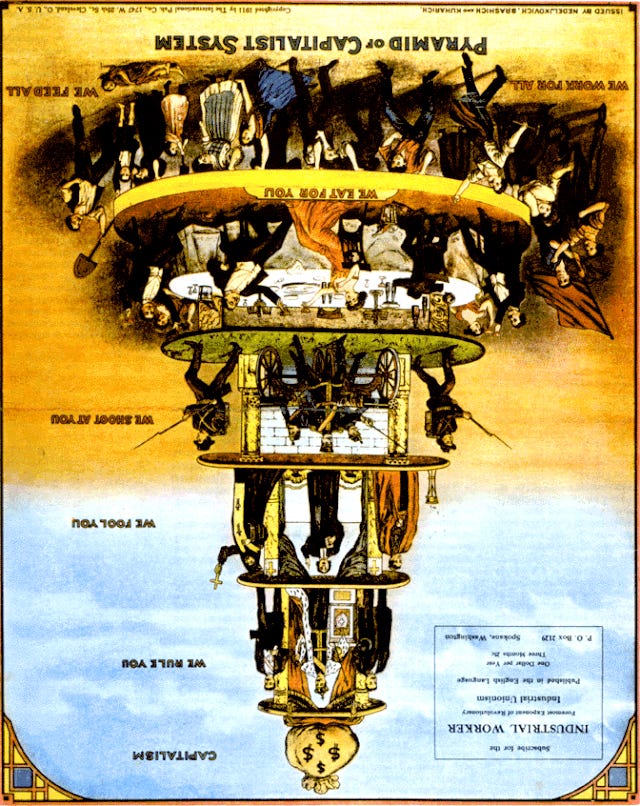
Revolution upsets the existing class structure and flips it on its head. This is why communism is the opposite of capitalism. Capitalism requires capitalists, billionaires, an Epstein class. Communism is when capitalist ownership of the means of production is replaced with public ownership. Quick note: This does not mean I am advocating for state capitalism.
Reform leaves the landlord class in place. Reform says, lower taxes and better treatment for the working class. For now. But any concessions won can also be lost.
This is the lesson of the last century of American history. The People’s Party, known as the Populists, tried to use elections to change the economic power structure at the turn of the 20th century. They got organized under a banner that united Christianity and socialism. The rich got organized and crushed them. My post “Define Liberalism” takes a slower walk through that history.
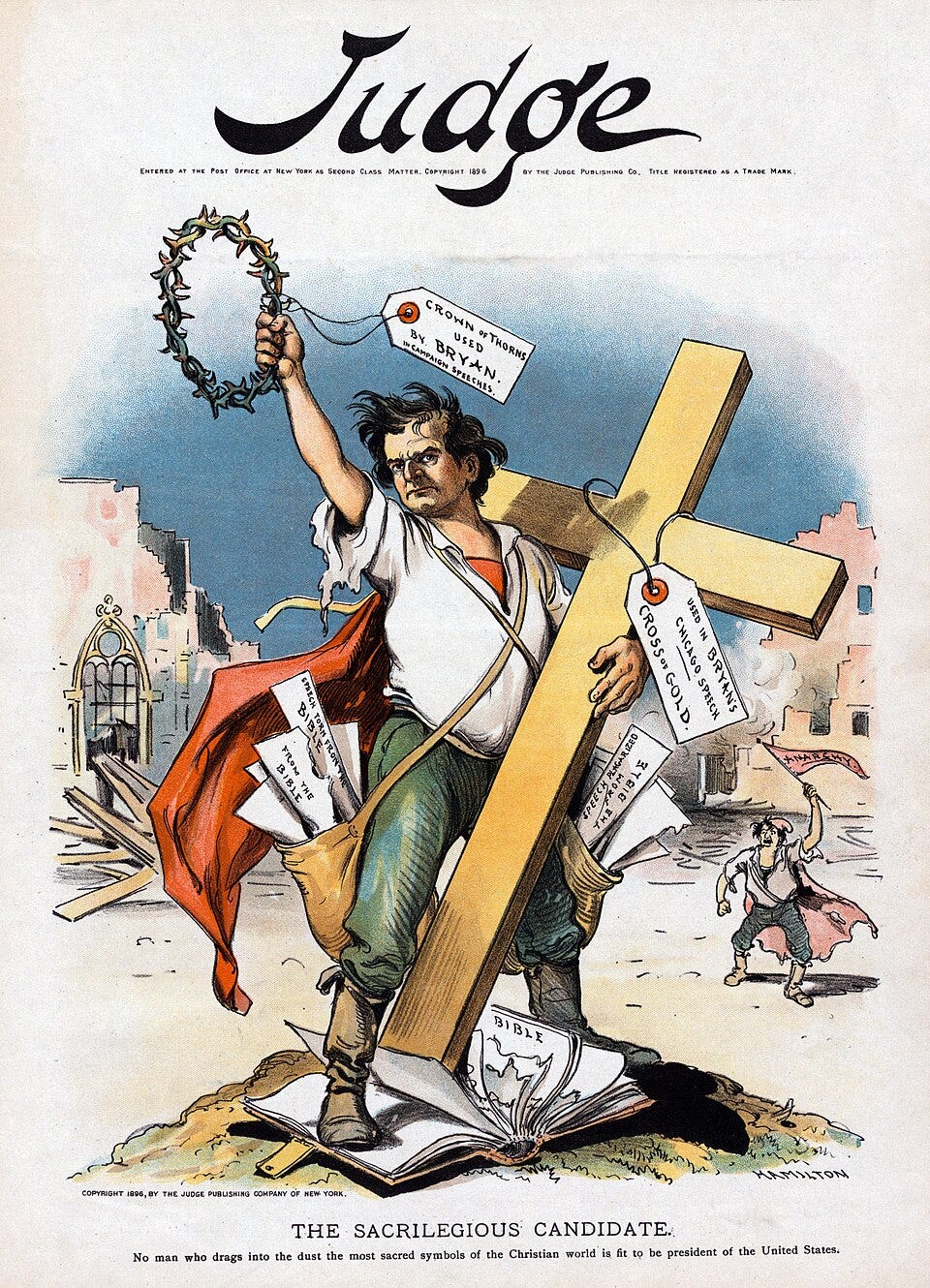
In the century since the Populists’ defeat, reforms that were won back then have been eroded away over time. This is because the owning class views any concessions given to the public as something they can take back. Great democratic achievements won through incredible struggle: antitrust laws, child labor laws, union rights, even the Voting Rights Act are all being dismantled now because concessions won by the public are being taken away. This is what reform gets you, a slow slide back to the same place a century later.
Leaving the existing class structure in place is a mistake. Believing elections can effectively challenge class power is a mistake.
This is the difference between reform and revolution. If you want substantial change that endures, you need to become a revolutionary. And don’t forget that the Declaration of Independence, we’re about to celebrate its 250th anniversary, gives us permission. Quoth the declaration: “Governments are instituted among Men, deriving their just powers from the consent of the governed, --That whenever any Form of Government becomes destructive of these ends, it is the Right of the People to alter or to abolish it, and to institute new Government.”
Revolution is our right. Revolution gets what reform cannot: permanent change to the status quo. That’s the difference between reform and revolution.
Please give a like, comment, restack, and share to help other people find my Substack.
Let’s make them pay.
Dear Reader, this is just a quick note to say thank you for taking the time to visit my Substack. I am just an ordinary working stiff like you, hoping to get closer to retirement before my industry dries up and blows away entirely. That’s a colorful way of saying that I write here in my spare time. If you enjoy my writing and would like to see more of it, please sign up for a paid subscription. It would be a blessing to leave the 40 hour grind and do this full time. Every dollar you give me is a thumb in the eye of the powerful. Let’s start gouging their eyeballs good, and as always, let’s make them pay…


